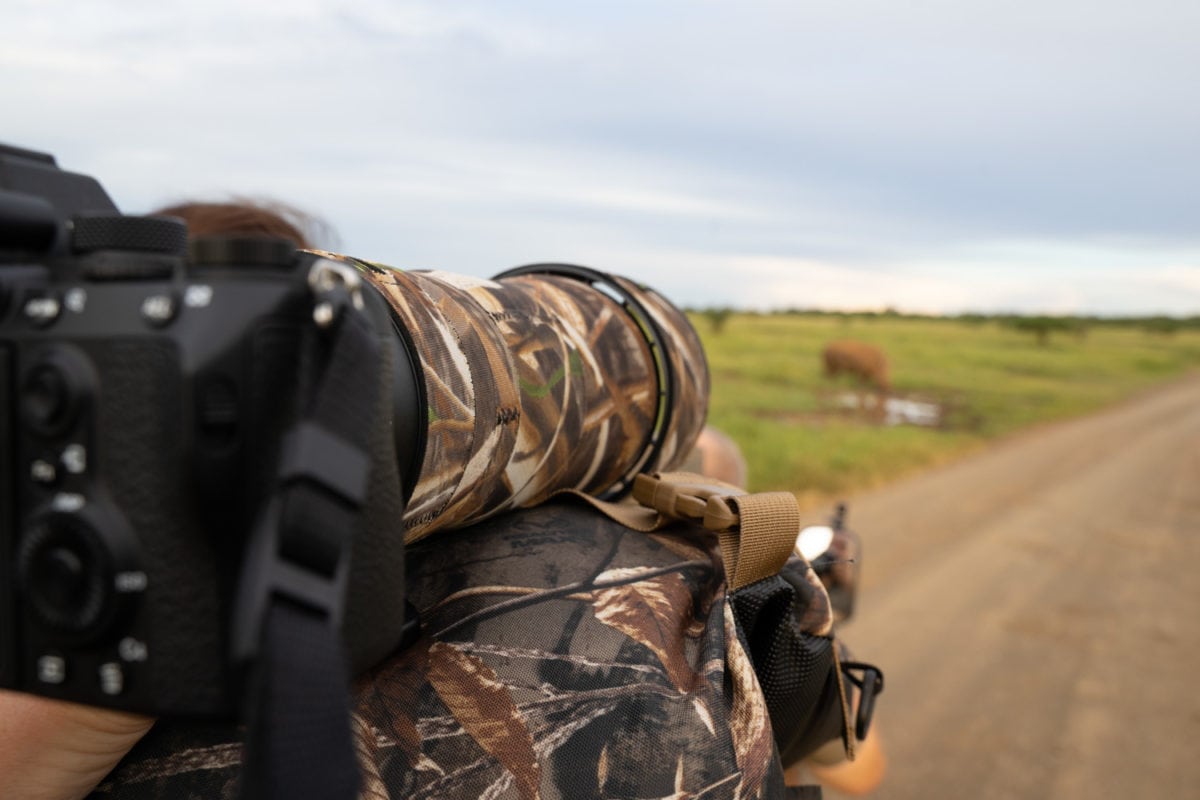
A safari with African Journeys is not simply a holiday. It is a deeply immersive experience into Africa’s most iconic landscapes, wildlife, and cultures. From the sweeping savannahs of Kenya and Tanzania to the misty rainforests of Uganda and Rwanda, every journey presents rare moments that deserve to be preserved with care and intention.
Safari photography allows travelers to capture more than animals. It preserves emotion, atmosphere, movement, and memory. However, photographing wildlife in its natural environment is very different from everyday photography. Light changes quickly. Animals move unpredictably. Conditions are rarely controlled.
This in-depth guide shares 10 essential photography tips for your safari, designed to help you capture extraordinary images across East Africa’s most celebrated safari destinations. Whether you are a beginner or an experienced photographer, these insights will elevate your safari photography while respecting wildlife and conservation ethics.
1. Know Your Camera Before You Enter the Wild
On safari, moments unfold quickly. A leopard may appear for seconds before disappearing into tall grass. A gorilla may glance up briefly before continuing its quiet movement through the forest. These moments cannot be repeated.
Before traveling with African Journeys, ensure you are completely comfortable with your camera. Learn how to adjust ISO, shutter speed, and aperture instinctively. Practice switching between autofocus modes and using exposure compensation without hesitation.
If you rely on a smartphone, explore its manual or professional settings. Learn how to lock focus, control exposure, and shoot in burst mode. Familiarity with your equipment ensures you react instantly and confidently when wildlife presents itself.
2. Choose the Right Lens for Safari Photography
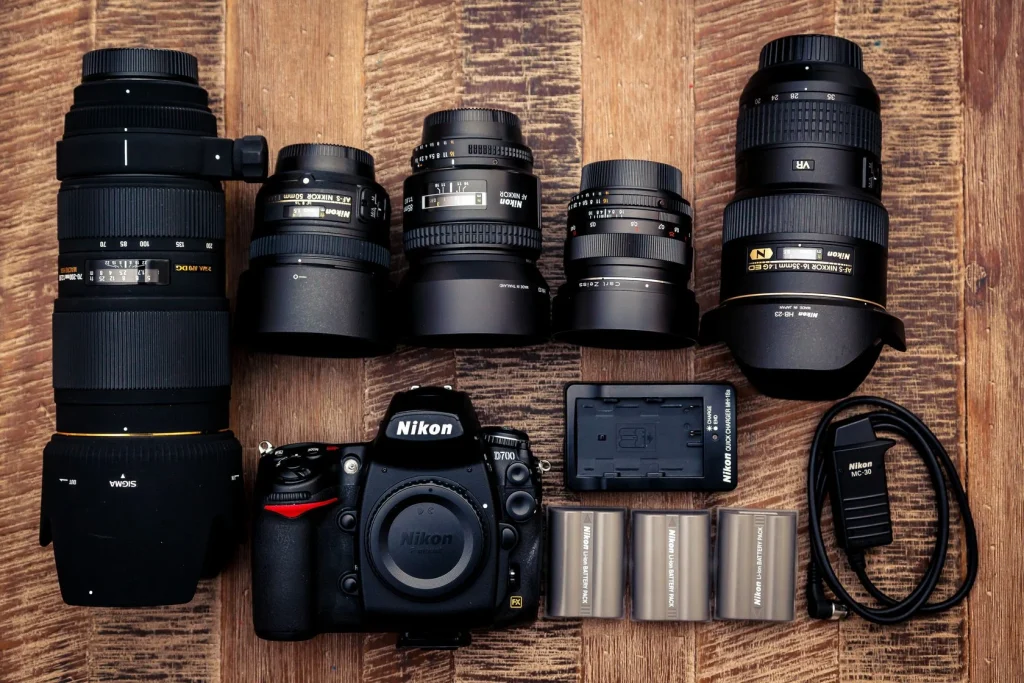
Lens choice is one of the most important decisions in safari photography. Wildlife must always be photographed from a respectful distance, making telephoto lenses essential.
A lens between 200mm and 400mm is ideal for most game drives in Kenya and Tanzania. For bird photography or distant predators, longer lenses provide better reach. Zoom lenses offer flexibility when animals move closer unexpectedly.
For gorilla trekking in Uganda and Rwanda, extremely long lenses are unnecessary. A 70–200mm lens is often perfect for capturing expressive portraits in dense forest conditions. Smartphone users should focus on stability and light rather than digital zoom.
3. Master Natural Light on Safari
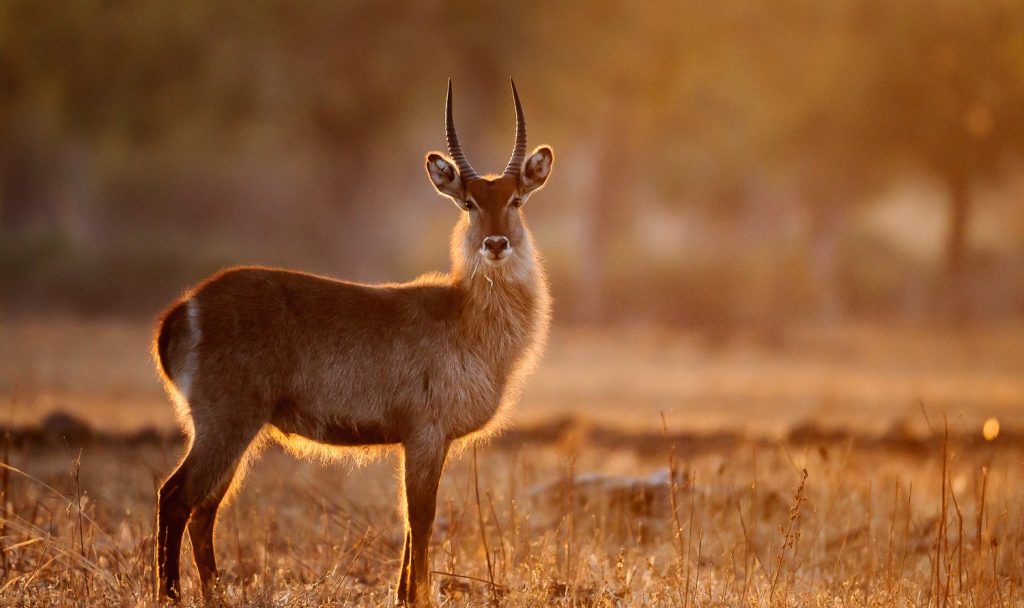
Light shapes every photograph. On safari, the best images are captured during the golden hours, just after sunrise and just before sunset. During these times, light is softer, warmer, and more dramatic.
Midday light can be harsh, especially on open plains. During this time, focus on animal behavior, environmental scenes, or storytelling moments rather than portraits.
Your safari guide plays a crucial role. Experienced guides from African Journeys understand how to position vehicles to maximize light direction, ensuring your subject is well illuminated without disturbing wildlife.
4. Use Fast Shutter Speeds for Action and Movement
Wildlife photography often involves motion. Animals walk, run, hunt, fly, and interact constantly. To freeze these moments, fast shutter speeds are essential.
For walking animals, a shutter speed of 1/500 second works well. For running predators or birds in flight, aim for 1/1000 second or faster. Increase ISO when necessary to maintain proper exposure.
Sharpness is critical, especially around the eyes. A sharp image conveys power, presence, and realism, making it far more impactful.
5. Focus on the Eyes and Animal Behavior
The most powerful safari photographs tell a story. They reveal personality, emotion, and interaction. Always focus on the animal’s eyes, as they form the emotional connection between subject and viewer.
Beyond portraits, watch for behavior. A lioness teaching her cubs, elephants interacting gently, or chimpanzees communicating through gestures add narrative depth to your images.
Your African Journeys guide will often anticipate behavior based on experience. Trust their insight and remain alert. Anticipation leads to extraordinary results.
6. Compose with Intention and Storytelling in Mind
Composition transforms a simple sighting into a compelling image. Avoid placing every subject in the center of the frame. Instead, apply the rule of thirds to create balance and visual flow.
Leave space in the direction the animal is moving or looking. Use landscapes to frame wildlife and provide context. Including acacia trees, rivers, mountains, or mist adds scale and a sense of place.
Safari photography is not only about animals. Landscapes, textures, and atmosphere play a vital role in telling Africa’s story.
7. Be Patient and Observe the Natural Rhythm
Patience is one of the most valuable tools in wildlife photography. Rushed images often lack emotion and clarity. Taking time to observe allows moments to unfold naturally.
Animals repeat behaviors. A bird may return to a perch. A gorilla may pause and look directly at you. Waiting often results in cleaner backgrounds, stronger compositions, and more expressive images.
Patience also promotes ethical photography. Calm observation minimizes stress on animals and results in more natural behavior.
8. Stabilize Your Camera in Safari Vehicles
Safari vehicles are not designed as photography platforms, but stability is essential for sharp images, especially with long lenses.
Use bean bags or rest your lens on padded surfaces. Keep elbows tucked and control breathing. Avoid sudden movements that may affect stability or disturb wildlife.
African Journeys’ safari vehicles are designed with photographers in mind, offering open viewing areas that allow for steady and unobstructed shooting when used carefully.
9. Practice Ethical and Responsible Wildlife Photography
Ethical photography is central to African Journeys’ philosophy. Wildlife must always come first.
Never pressure guides to approach animals too closely. Avoid blocking animal paths or altering their natural behavior. Flash photography should be avoided, particularly with gorillas and nocturnal species.
Respecting wildlife not only protects animals but also leads to more authentic and meaningful photographs. Natural behavior tells the most honest stories.
10. Edit Thoughtfully and Preserve Authenticity
Editing is an important final step, but restraint is essential. Adjust exposure, contrast, and color balance to reflect the natural scene accurately.
Avoid excessive saturation or manipulation that misrepresents wildlife or landscapes. Safari photography should celebrate realism and conservation, not exaggeration.
Organize and back up your images daily during your safari. Adding notes about locations and species enhances storytelling and long-term value.
Destination-Specific Safari Photography Tips
Safari Photography in Kenya
Kenya offers classic African safari imagery. The Maasai Mara is famous for big cats, dramatic skies, and the Great Migration. Wide-open landscapes allow for stunning action shots and environmental compositions.
Early morning game drives provide exceptional light. Dust, movement, and predator interactions create dramatic storytelling opportunities. Telephoto lenses are essential for capturing distant wildlife across open plains.
Safari Photography in Tanzania
Tanzania’s Serengeti and Ngorongoro Crater offer unmatched diversity and scale. Massive herds, volcanic landscapes, and changing light conditions challenge photographers creatively.
Use wide-angle lenses for landscape shots and herd scenes. Fast shutter speeds are critical during migration river crossings. Patience is rewarded with powerful wildlife interactions.
Safari Photography in Uganda
Uganda’s photography experience is more intimate and forest-focused. Gorilla and chimpanzee trekking requires adaptability, fast lenses, and high ISO performance due to low light.
Focus on expressions, gestures, and storytelling moments. Avoid flash and maintain respectful distance. Uganda’s diversity also includes savannah wildlife, offering excellent variety for photographers.
Safari Photography in Rwanda
Rwanda combines luxury, conservation, and powerful wildlife encounters. Gorilla trekking in Volcanoes National Park offers emotional portrait opportunities in misty environments.
Shorter trekking distances allow more time for observation. Capture atmosphere, textures, and interactions rather than just close-ups. Rwanda’s clean landscapes and dramatic light create elegant compositions.
Conclusion: Capture Africa with Purpose
Safari photography is about more than images. It is about connection, respect, and storytelling. Every photograph you take with African Journeys reflects a moment of trust between traveler, guide, and nature.
By mastering your equipment, understanding light, practicing patience, and embracing ethical photography, you create images that honor Africa’s wildlife and landscapes. These photographs become lasting memories and powerful stories worth sharing.
Plan Your Photography Safari with African Journeys
At African Journeys, we design safaris for travelers who want more than sightings. We create immersive experiences guided by expert professionals who understand wildlife behavior, light, and photography positioning.
Whether you dream of photographing the Great Migration in Kenya and Tanzania, capturing mountain gorillas in Uganda and Rwanda, or combining multiple destinations into one unforgettable journey, we are here to craft your perfect safari.
- Start planning your photography safari with African Journeys today.
- Let us design a tailor-made safari that puts you in the right place, at the right time, with the right guidance — for images that last a lifetime.


