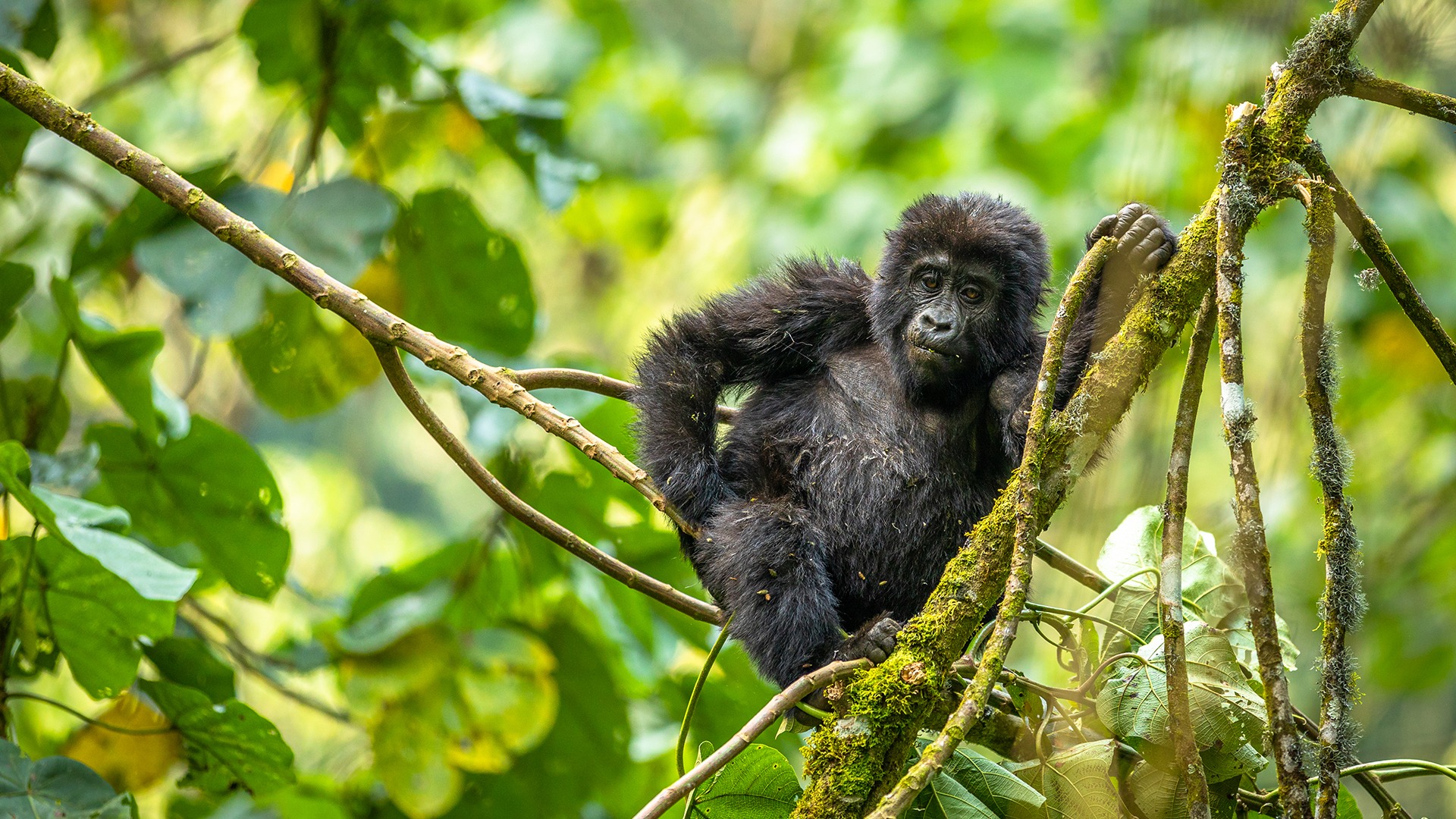
Bwindi Impenetrable Forest is one of Africa’s most magical and mystical destinations. This ancient rainforest, dating back over 25,000 years, is home to approximately 459 mountain gorillas—nearly half of the world’s remaining population. The experience of spending one hour with these gentle giants in their natural habitat is consistently rated as one of the most profound wildlife encounters on the planet.
Attraction Overview
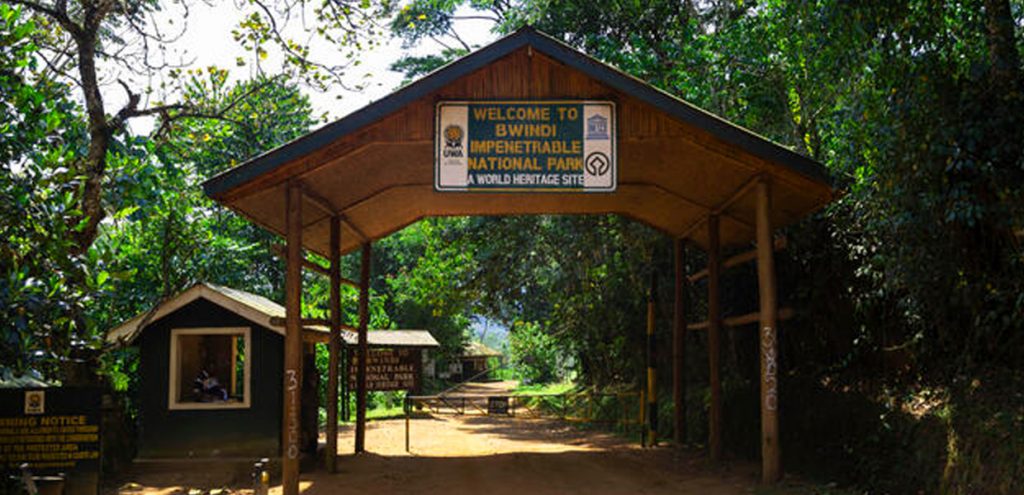
Covering 331 square kilometers of steep, mist-covered hills in southwestern Uganda, Bwindi Impenetrable National Park was designated a UNESCO World Heritage Site in 1994. The forest’s name comes from its dense network of vines, shrubs, and trees that make it nearly impossible to navigate without a machete—hence “impenetrable.”
Beyond gorillas, Bwindi is a biodiversity hotspot with over 120 mammal species, 350 bird species, and 220 butterfly species. The forest is also home to the Batwa people, indigenous hunter-gatherers who lived in harmony with the forest for thousands of years before conservation efforts relocated them in 1991.
The Gorilla Trekking Experience
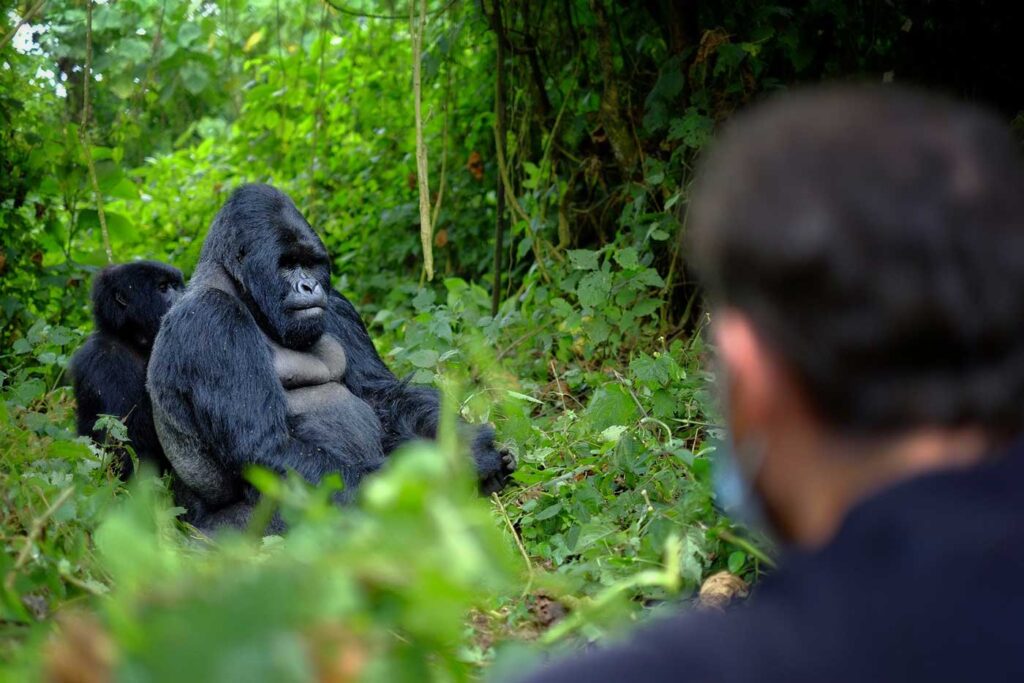
Gorilla trekking in Bwindi begins with an early morning briefing at the park headquarters, where you’ll be assigned to a specific gorilla family based on your fitness level and preferences. The trek itself can last anywhere from 30 minutes to 6 hours, depending on where the gorillas spent the previous night.
Once you locate your assigned gorilla family, you’ll spend one unforgettable hour observing their behavior, taking photographs, and simply absorbing the profound connection with our closest living relatives. The experience is both humbling and exhilarating, often described as life-changing by visitors.
Trekking Sectors
Bwindi Impenetrable Forest is divided into four main trekking sectors, each offering unique experiences and varying levels of difficulty:
Buhoma Sector
The original and most accessible sector, ideal for first-time trekkers. Home to the Mubare gorilla family, Buhoma offers the easiest terrain and is the most popular choice among visitors. The sector provides excellent infrastructure with various accommodation options ranging from budget to luxury.
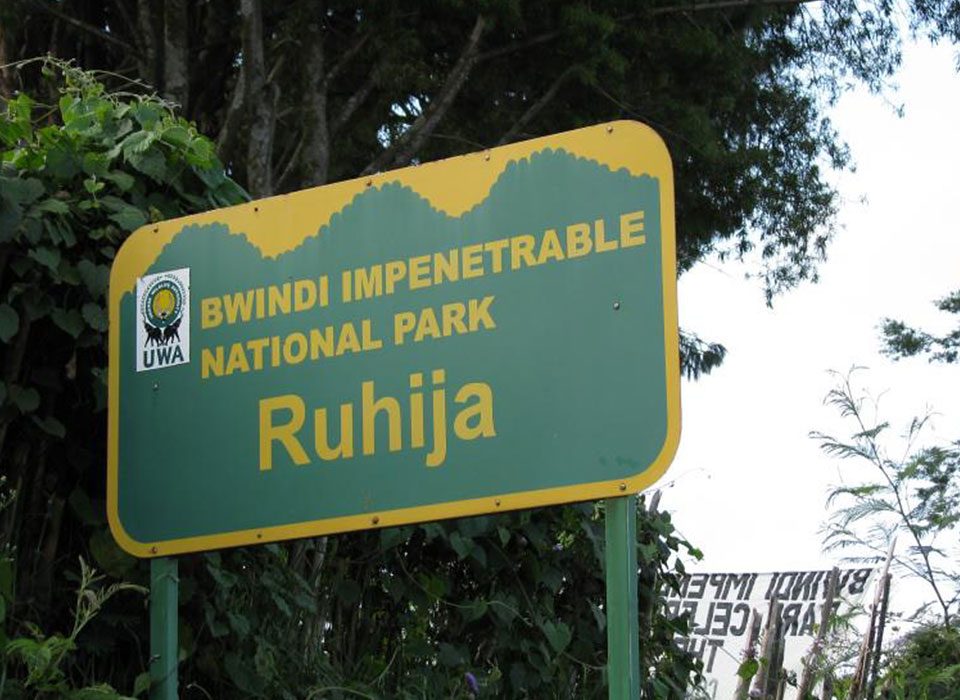
Ruhija Sector
Located at higher altitude with stunning panoramic views of the forest canopy and surrounding hills. Ruhija is home to the Oruzogo and Bitukura gorilla families and offers a more challenging but rewarding trekking experience. The sector is less crowded, providing a more intimate encounter with nature.
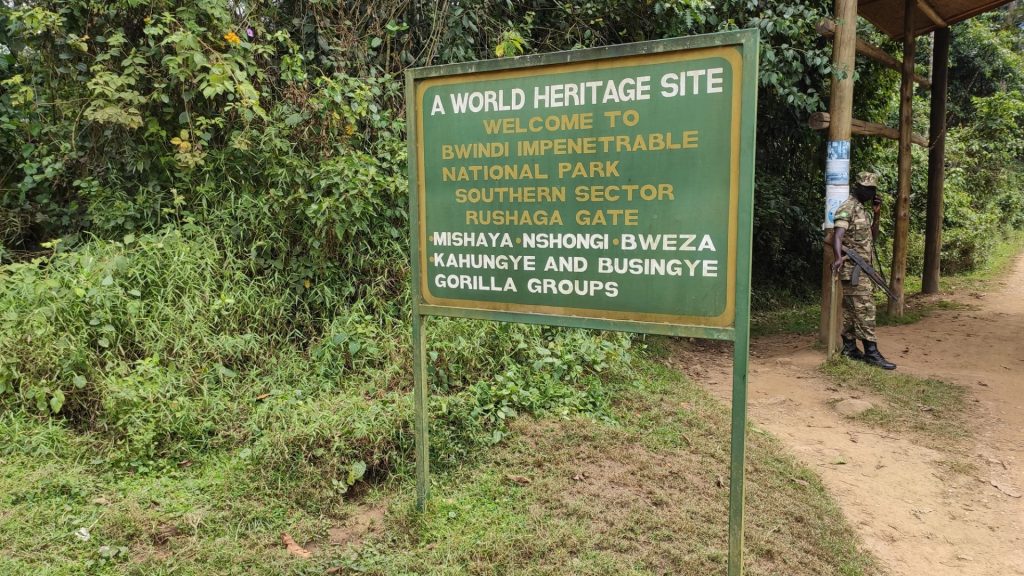
Rushaga Sector
The largest sector with 8 habituated gorilla families, offering the highest success rate for gorilla sightings. Rushaga is ideal for experienced trekkers seeking a more adventurous experience. The terrain can be challenging, but the reward of seeing multiple gorilla families makes it worthwhile.
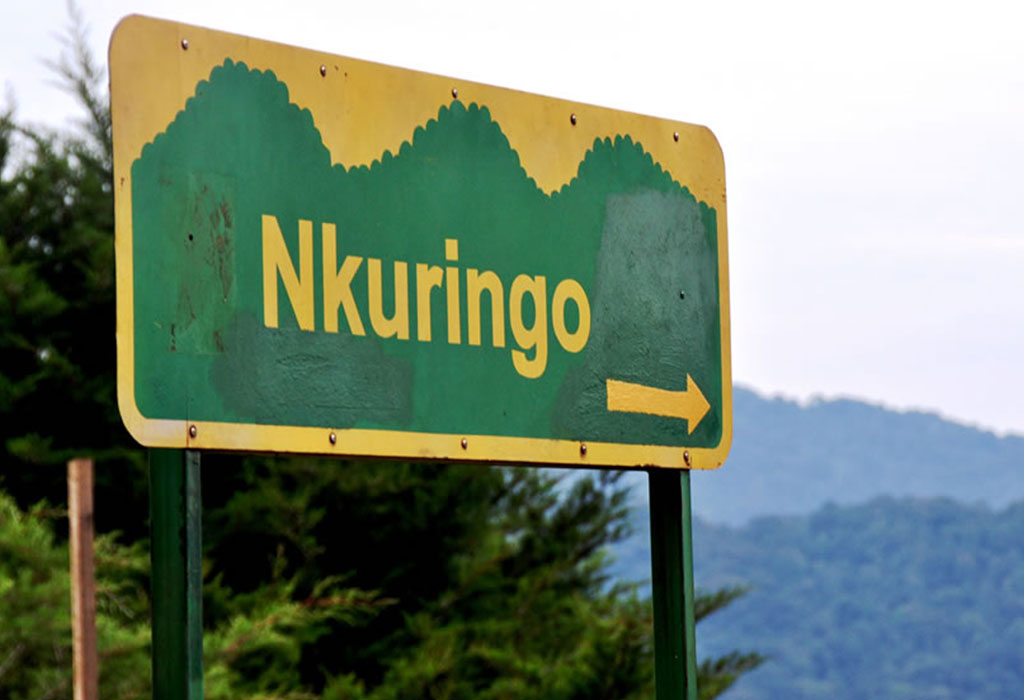
Nkuringo Sector
Offers dramatic views of the Virunga volcanoes and is home to the Nkuringo gorilla family. This sector provides the most challenging trekking experience with steep ascents and descents, but the breathtaking scenery and intimate gorilla encounters make it a favorite among experienced adventurers.
What to Expect During Your Trek
Your gorilla trekking adventure begins with an early morning briefing (typically between 7:00-8:00 AM) at the park headquarters. During this briefing, you’ll be assigned to a specific gorilla family based on your fitness level, age, and preferences. Your expert local guide and trackers will provide essential safety instructions and information about the gorillas you’ll be visiting.
The trek itself takes you through dense, sometimes steep forest terrain. Your guides will lead you along gorilla trails, following fresh signs like broken vegetation, footprints, and droppings. Along the way, you might encounter other forest wildlife including various monkey species, colorful birds, and unique plant life.
Once you reach the gorilla family location, you’ll spend exactly one hour observing their natural behavior. This is your time to take photographs (without flash), watch the gorillas interact with each other, and absorb the profound connection with these magnificent creatures. The experience is both humbling and exhilarating, often described as life-changing by visitors.
Essential Information
Gorilla trekking permits are strictly regulated to protect the gorillas and their habitat. Each permit costs $700 USD for foreign non-residents, $600 USD for foreign residents, and UGX 250,000 for East African citizens. Permits must be booked 3-6 months in advance, especially during peak season (June-September and December-February).
The best time to visit Bwindi is during the dry seasons (June-September and December-February) when trekking conditions are easier and trails are less muddy. However, the green seasons (March-May and October-November) offer lush, beautiful scenery, fewer crowds, and lower accommodation prices, making them excellent alternatives for budget-conscious travelers.
Conservation and Community Impact
Gorilla trekking in Bwindi directly supports conservation efforts and local communities. A significant portion of permit fees goes toward gorilla protection, anti-poaching patrols, and habitat preservation. Additionally, 20% of tourism revenue is shared with local communities for development projects including schools, healthcare facilities, and clean water initiatives.
By choosing to visit Bwindi Impenetrable Forest, you’re not only experiencing one of the world’s most incredible wildlife encounters but also contributing to the long-term survival of mountain gorillas and the well-being of local communities who serve as the forest’s guardians.
Planning Your Visit
To ensure the best experience, we recommend booking your gorilla trekking permit at least 3-6 months in advance, especially if you’re traveling during peak season. Consider your fitness level when choosing a trekking sector, and don’t hesitate to discuss your preferences with our expert team who can help match you with the perfect gorilla family and sector.
Remember to pack appropriate gear including waterproof hiking boots, long-sleeved clothing, rain gear, and a good camera with extra batteries. The forest environment can be unpredictable, so being prepared will ensure you can fully enjoy this once-in-a-lifetime experience.
Related Attractions

Ruaha National Park
Ruaha National Park is Tanzania’s largest national park and one of Africa’s most authentic wilderness experiences, covering a vast 20,226 square kilometers of pristine landscapes in central Tanzania. Located approximately…

Selous Game Reserve
Selous Game Reserve is Africa’s largest game reserve and one of the continent’s most pristine wilderness areas, covering a staggering 54,600 square kilometers—larger than Switzerland and nearly four times the…
Customer Reviews
Share Your Experience
No reviews yet. Be the first to share your experience!