Akagera National Park is Rwanda’s only savannah national park and represents one of Africa’s most inspiring conservation success stories. Located in the eastern province of Rwanda, bordering Tanzania, this magnificent park covers 1,085 square kilometers of diverse landscapes including rolling savannah plains, dense woodlands, swamps, lakes, and the life-giving Akagera River that gives the park its name. The park forms the largest protected wetland in Central Africa and is part of the vast Lake Victoria catchment area.
What makes Akagera truly exceptional is its remarkable transformation from a park devastated by poaching and habitat loss to a thriving Big Five destination. In the 1990s, the park lost most of its wildlife due to the aftermath of the Rwandan genocide, with elephants and rhinos completely eliminated and lion populations decimated. However, since 2010, through a groundbreaking partnership between the Rwanda Development Board and African Parks, Akagera has undergone a dramatic restoration that has brought back lions, reintroduced rhinos, and restored healthy populations of all major wildlife species.
Today, Akagera stands as a testament to what dedicated conservation efforts can achieve. The park is now home to the complete Big Five—lions, leopards, elephants, buffaloes, and both black and white rhinoceroses—along with an incredible diversity of other wildlife including giraffes, zebras, hippos, and over 500 bird species. The combination of traditional game drives, unique boat safaris on Lake Ihema, and exceptional predator sightings makes Akagera a must-visit destination for wildlife enthusiasts seeking an authentic East African safari experience in Rwanda’s beautiful eastern landscapes.
Wildlife and Ecosystems
The Big Five Restored
Akagera’s Big Five restoration is one of Africa’s most successful conservation achievements. Lions were reintroduced in 2015 after a 15-year absence, with seven individuals translocated from South Africa. Today, the lion population has grown to over 40 individuals, forming several prides that roam the park’s northern and central sectors. In 2017, 18 eastern black rhinoceroses were reintroduced, followed by white rhinos in 2021, making Akagera one of the few places in Africa where visitors can see both rhino species.
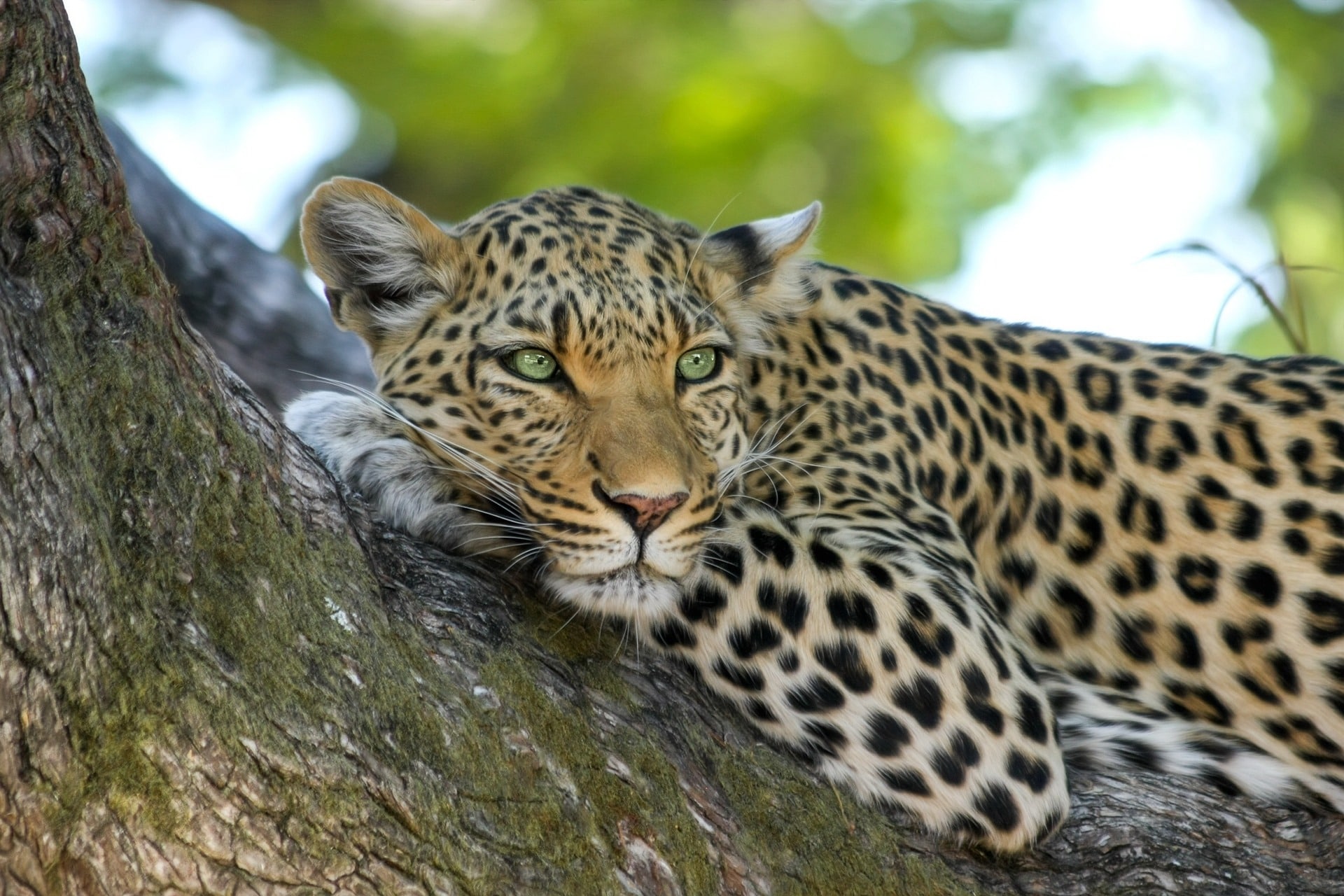
Elephants have made a remarkable comeback, with numbers growing from fewer than 20 in the early 2000s to over 150 today. These majestic giants can often be seen in family groups moving between the park’s water sources and feeding areas. Leopards, though more elusive, are present throughout the park, particularly in rocky outcrops and dense woodlands. Cape buffaloes thrive in large herds, often numbering in the hundreds, creating dramatic scenes during the dry season when they congregate around water sources.
Diverse Mammal Community
Beyond the Big Five, Akagera supports an impressive array of other mammal species that create a complete East African savannah experience. The park is home to healthy populations of Masai giraffes, Burchell’s zebras, various antelope species including elands, topis, impalas, waterbucks, and the rare sitatunga antelope adapted to wetland habitats. Hippos and Nile crocodiles dominate the lakes and rivers, with Lake Ihema hosting one of East Africa’s largest hippo concentrations.
Smaller predators like spotted hyenas, side-striped jackals, and serval cats are also present, while primates include olive baboons and vervet monkeys. The park’s wetland areas support specialized species like the semi-aquatic sitatunga and various mongoose species. This incredible mammal diversity, combined with the park’s relatively low visitor numbers, creates intimate and rewarding wildlife viewing experiences that rival those of larger, more established parks.
Bird Paradise
With over 500 recorded bird species, Akagera is a paradise for ornithologists and bird watchers. The park’s combination of lakes, wetlands, savannah, and woodlands creates diverse habitats that support an incredible variety of avian life. Lake Ihema and the park’s extensive wetland system are particularly rich in water birds, including massive flocks of pink-backed pelicans, great white pelicans, shoebill storks, and various heron and egret species.
The savannah areas harbor classic East African species like secretary birds, martial eagles, and lilac-breasted rollers, while the woodlands support hornbills, barbets, and various sunbird species. The park is also an excellent place to see the rare and localized red-faced barbet and the prehistoric-looking saddle-billed stork. Bird watching is exceptional year-round, with migratory species adding to the diversity during the wetter months.
Activities and Experiences
Boat Safaris on Lake Ihema
The boat safari on Lake Ihema is Akagera’s signature experience and one of East Africa’s most rewarding wildlife boat safaris. This 2-3 hour journey across Rwanda’s largest lake offers unparalleled opportunities to observe wildlife from a unique perspective. The lake’s shores and islands are teeming with life—hundreds of hippos wallow in the shallows, massive Nile crocodiles bask on sandy beaches, and elephants often come to drink at the water’s edge.
The boat safari also provides excellent bird watching opportunities, with chances to see shoebill storks, African fish eagles, kingfishers, cormorants, and the spectacular sight of thousands of water birds taking flight at sunset. The calm waters of Lake Ihema create perfect conditions for photography, with mirror-like reflections adding drama to every shot. Safaris typically depart in the early morning or late afternoon when wildlife is most active and the light is most favorable for photography.
Game Drives
Akagera offers exceptional game viewing opportunities across its different ecosystems. The northern sector, particularly around the Kilala plains and the road to Karenge, is renowned for its high concentrations of lions, elephants, giraffes, and various antelope species. The central sector around Lake Ihema provides excellent opportunities to see buffaloes, hippos, and water birds, while the southern wetland areas are ideal for spotting sitatungas and specialized bird species.
Early morning and late afternoon game drives provide the best chances to witness the park’s full spectrum of wildlife in the golden light that photographers love. The park’s relatively low visitor numbers ensure intimate wildlife encounters without the crowds found in more established parks. Night drives are also available, offering opportunities to see nocturnal species like leopards, serval cats, and bush babies.
Rhino Tracking and Conservation
Akagera offers a unique rhino tracking experience that provides insights into the park’s conservation success story. Visitors can participate in guided walks to track both black and white rhinoceroses in their protected sanctuary area. These experiences are conducted with experienced ranger guides who provide educational commentary on rhino behavior, conservation challenges, and the remarkable story of Akagera’s restoration.
The rhino sanctuary is a secure, fenced area where these critically endangered animals can be monitored and protected from poaching threats. Tracking experiences typically last 2-3 hours and offer excellent opportunities to observe these magnificent creatures up close while learning about the intensive conservation efforts that have brought them back from the brink of local extinction.
Community and Cultural Experiences
Akagera National Park is surrounded by vibrant local communities, primarily the Batwa and Banyarwanda peoples, who have deep connections to these landscapes. Several community tourism initiatives offer authentic cultural experiences that support local livelihoods while preserving traditional knowledge. Cultural village visits provide insights into traditional ways of life, agricultural practices, and the challenges of coexisting with wildlife.
Revenue sharing from tourism plays a crucial role in local development, with a portion of park fees allocated directly to community projects. This approach ensures that local people benefit directly from conservation efforts, creating strong incentives for protecting the park while supporting education, healthcare, and infrastructure improvements in surrounding communities.
Conservation Success Story
Akagera National Park’s transformation represents one of Africa’s most inspiring conservation success stories. In the 1990s, following the Rwandan genocide, the park was devastated by poaching, habitat loss, and human-wildlife conflict. Most large mammals were eliminated, with lions and rhinos completely extirpated, and the ecosystem was on the brink of collapse. Many considered the park beyond recovery.
However, in 2010, a groundbreaking partnership between the Rwanda Development Board and African Parks Network changed everything. This innovative public-private partnership brought the management expertise, funding, and international support needed to restore Akagera to its former glory. The partnership implemented comprehensive conservation strategies including anti-poaching patrols, community engagement, wildlife reintroductions, and infrastructure development.
Today, Akagera employs over 150 rangers who provide 24/7 protection for the park’s wildlife, supported by aerial surveillance, canine units, and advanced monitoring technology. The park has become financially self-sustaining through tourism revenue, demonstrating that conservation and economic development can go hand in hand. Akagera’s success has inspired similar partnerships across Africa and stands as a beacon of hope for other degraded ecosystems facing seemingly insurmountable challenges.
Best Time to Visit
Dry Seasons (Peak Season)
June to September and December to February offer the best wildlife viewing conditions. Animals congregate around water sources, vegetation is less dense for better visibility, and boat safaris on Lake Ihema are at their best. These periods coincide with European summer holidays and Christmas/New Year, so expect higher prices and more visitors.
Wet Seasons (Green Season)
March to May and October to November bring lush vegetation, dramatic skies, and fewer tourists. The landscape is at its most verdant and beautiful, and bird watching is exceptional with migratory species present. While some roads may become muddy, the park remains accessible, and accommodation rates are typically lower.
Related Attractions

Ruaha National Park
Ruaha National Park is Tanzania’s largest national park and one of Africa’s most authentic wilderness experiences, covering a vast 20,226 square kilometers of pristine landscapes in central Tanzania. Located approximately…

Selous Game Reserve
Selous Game Reserve is Africa’s largest game reserve and one of the continent’s most pristine wilderness areas, covering a staggering 54,600 square kilometers—larger than Switzerland and nearly four times the…
Customer Reviews
Share Your Experience
No reviews yet. Be the first to share your experience!